
Exceptional coffee, grown in harmony with nature

Context
The collaboration with Genesis was built around two key objectives in Nespresso's commitment:
Source 95% of The Nespresso Sustainable Quality Plan coffee from farms practising regenerative agriculture by 2030.
Reduce GHG emissions to net zero by 2050, in accordance with the SBTI standards.
To demonstrate progress towards these goals, Nespresso needed measurable, science-based data.
Goals
Launched in 2003, the Nespresso Sustainable Quality Plan has supported thousands of coffee farmers in adopting regenerative agriculture practices — with soil health as one of the key pillars.
Farms enrolled in the program were initially assessed through an internal scorecard that ranks their progress from Bronze to Gold based on criteria across soil, biodiversity, crops and farm management.
Nespresso’s ambition was to go further: better understand the real impact of regenerative practices on soil health through science-based field data and to build a rigorous global baseline of soil health and environmental performance across its coffee supply.

Jérôme PEREZ
Nespresso Head of Sustainability
Benefit #1
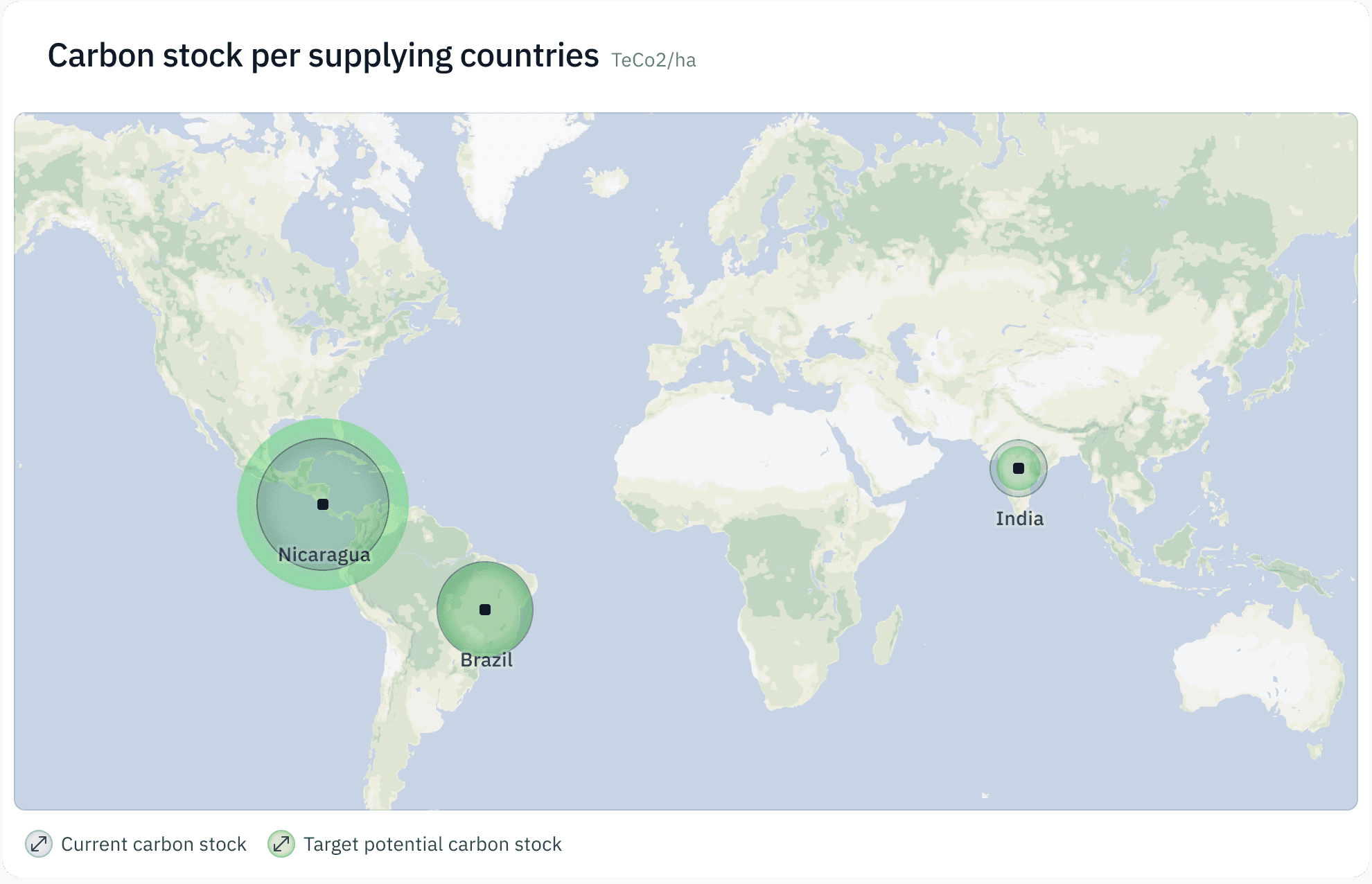
Track soil carbon stocks to support Net Zero roadmap
"With Genesis, we can establish a robust baseline of soil organic carbon stocks across coffee farms in supplying countries, and track how regenerative practices increase these stocks over time.
This data strengthens the credibility of our climate commitments."
Jérôme PEREZ
1
Gold farms
100
%
in good health*
3
Bronze farms
87
%
in good health*

*Genesis assessment conducted on 38 farms in Brazil.
Benefit #2
Demonstrate that regenerative farms have healthier soils
Jérôme PEREZ
The Genesis approach
Nespresso partnered with Genesis to deploy its environmental assessment across coffee farms in supplying countries, covering half of its volumes by mid 2026. The assessment combines key steps to ensure a robust and actionable evaluation :
Stratification at supplier level
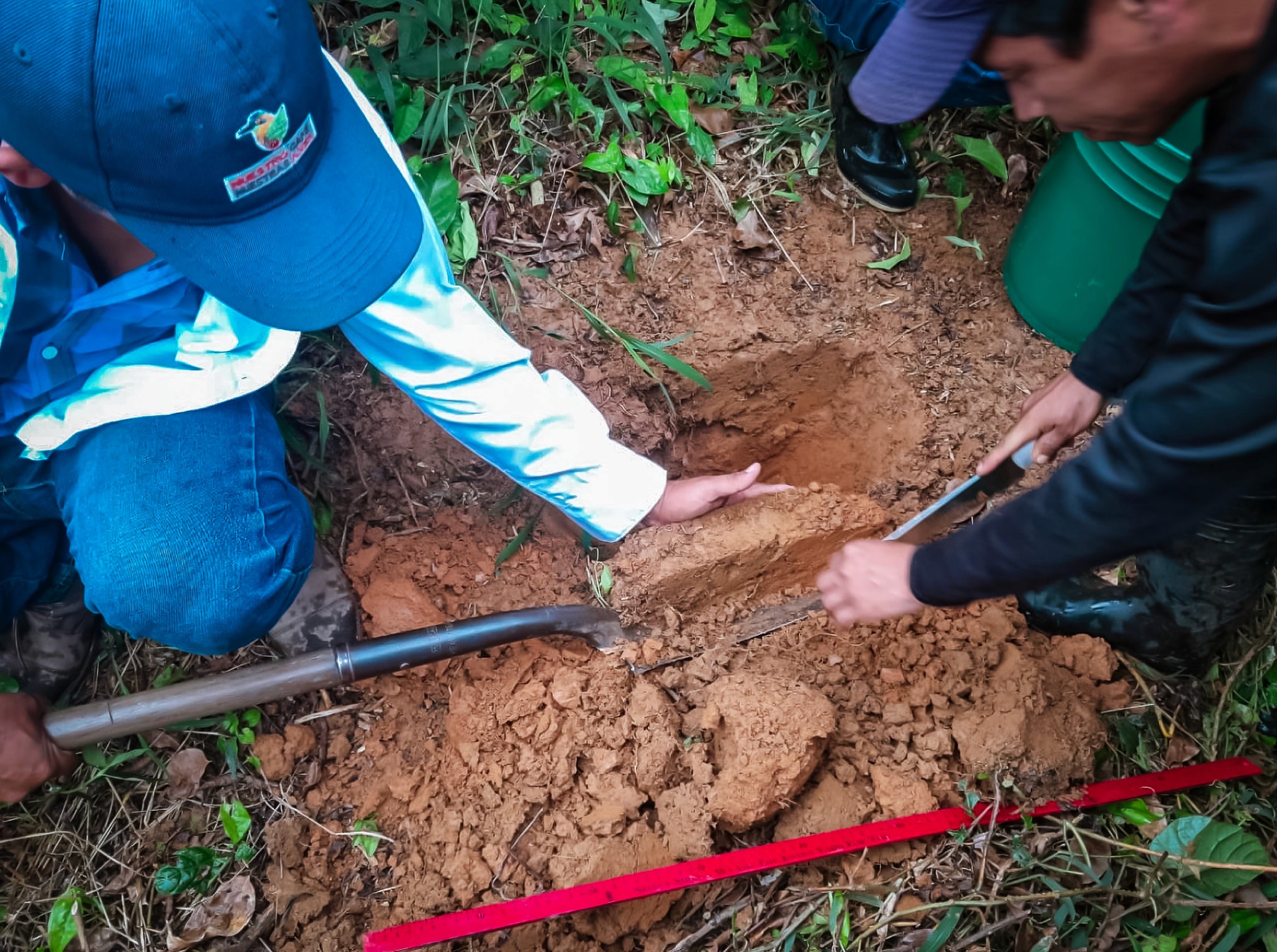
Field soil analysis
Standardized metrics delivered on soil health, carbon, water and biodiversity.
The Genesis assessment provided Nespresso with actionable insights to compare suppliers, identify the most impactful regenerative practices to scale, and establish a harmonized T0 baseline. Beyond soil health, it also enables the quantification of soil carbon stocks — a key component in strengthening the credibility of net zero pathways.
From Pilot to Global Baseline
Following the pilot phase conducted in 2024 in Brazil, Nicaragua and India, the solution will be rolled out across all supplier countries, giving Nespresso consistent, science-based insights to track progress over time and guide the scaling of regenerative practices globally.

Carbon

Soil Health

Biodiversity

Water